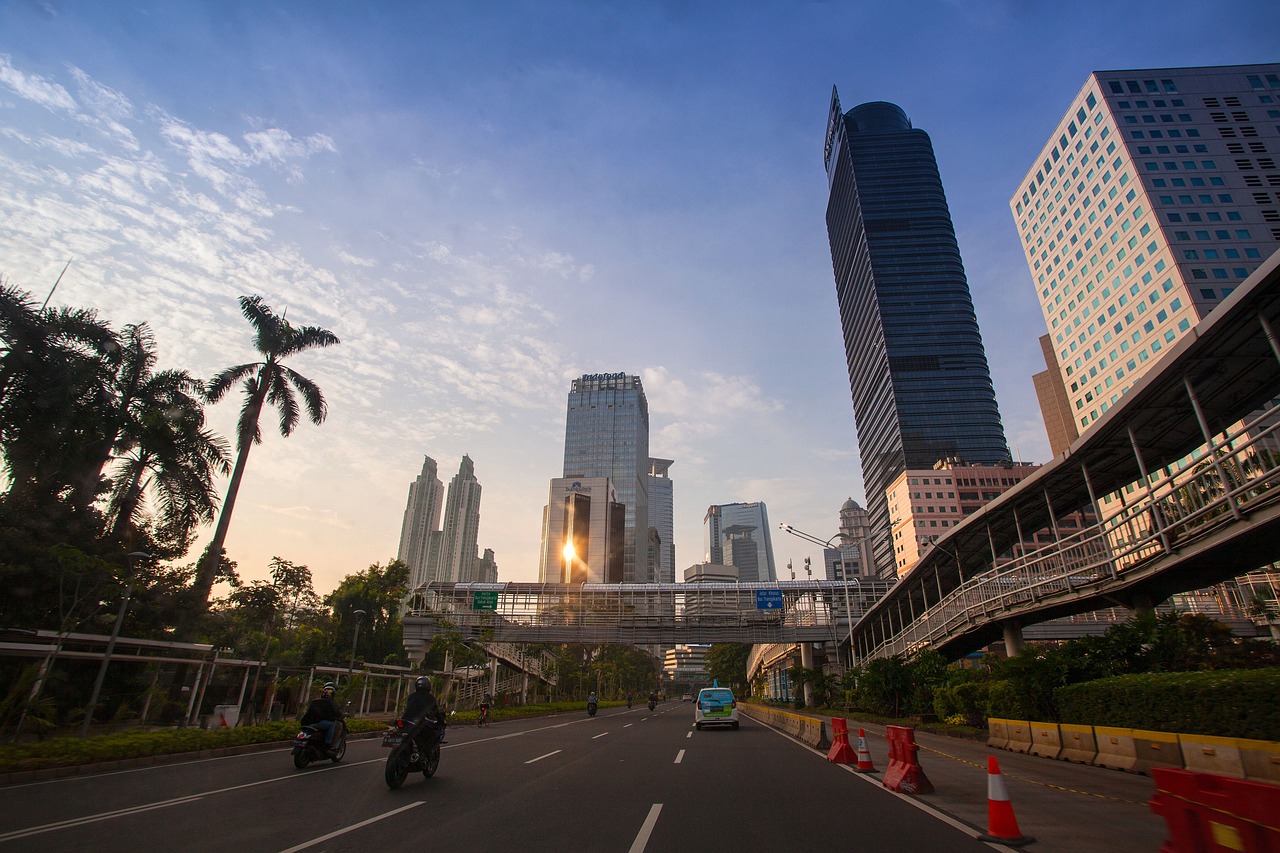
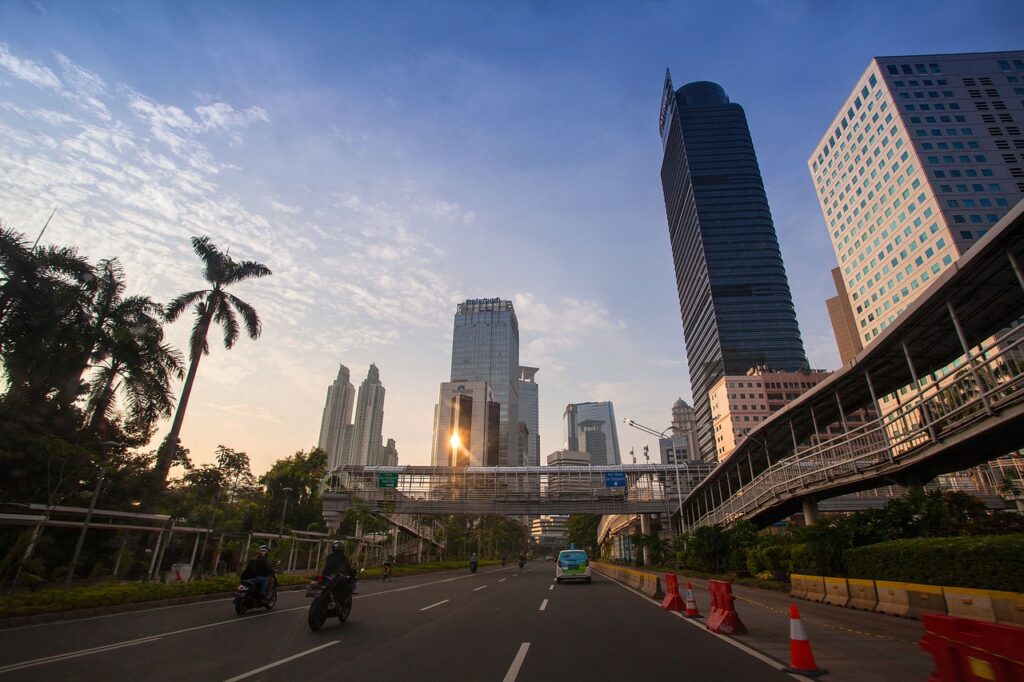
Jakarta, Indonesia's capital, is one of Southeast Asia's major metropolitan centers and an interesting destination for group and private travel focused on business, culture, gastronomy, history, education and discovery of the Indonesian archipelago.
The city combines modern financial districts with historic neighborhoods, markets, mosques, museums and a highly diverse culinary scene.
It is particularly suitable for school and university groups, families, private groups, companies, incentive travel and MICE programs.
Complete programs can include flights, hotels, transfers, coaches, minibuses, private transportation, guides, entrance tickets, restaurants, culinary experiences, cultural activities, professional visits, excursions and extensions across Indonesia.
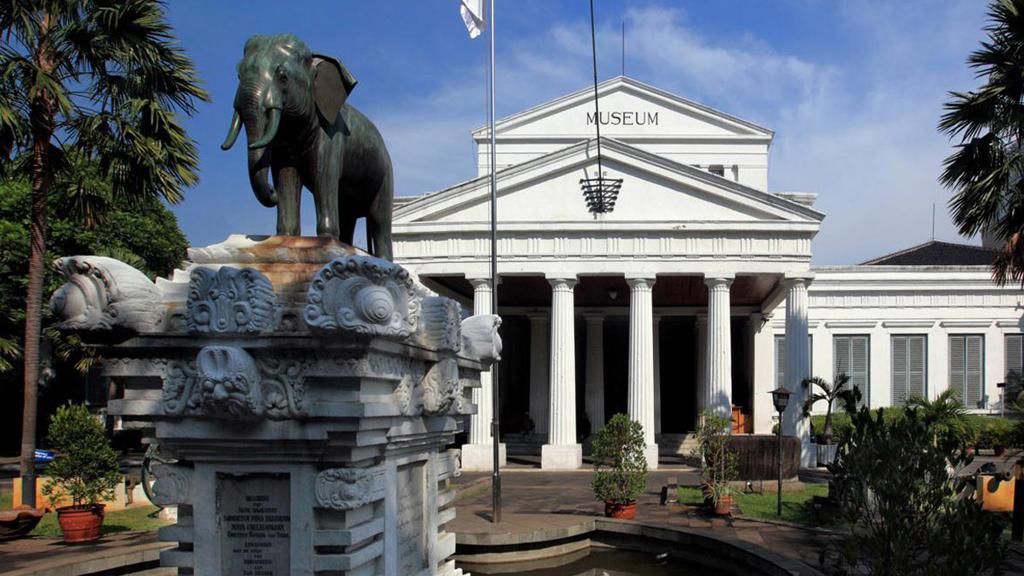
Kota Tua, Jakarta's historic district, provides an introduction to the city's colonial and commercial history.
Fatahillah Square is one of the area's central landmarks.
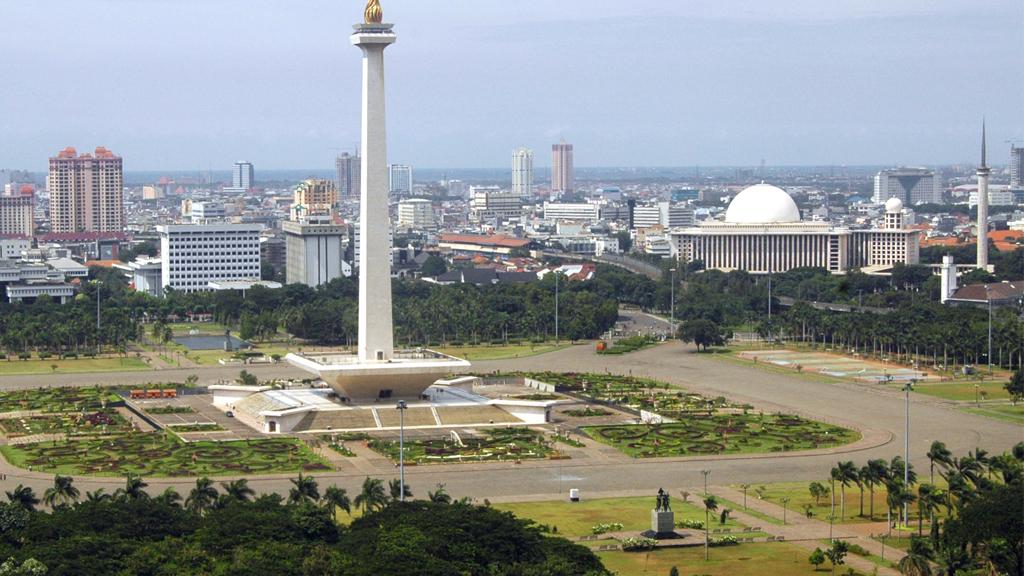
The National Monument, or Monas, represents Indonesian independence and provides context for the country's modern history.
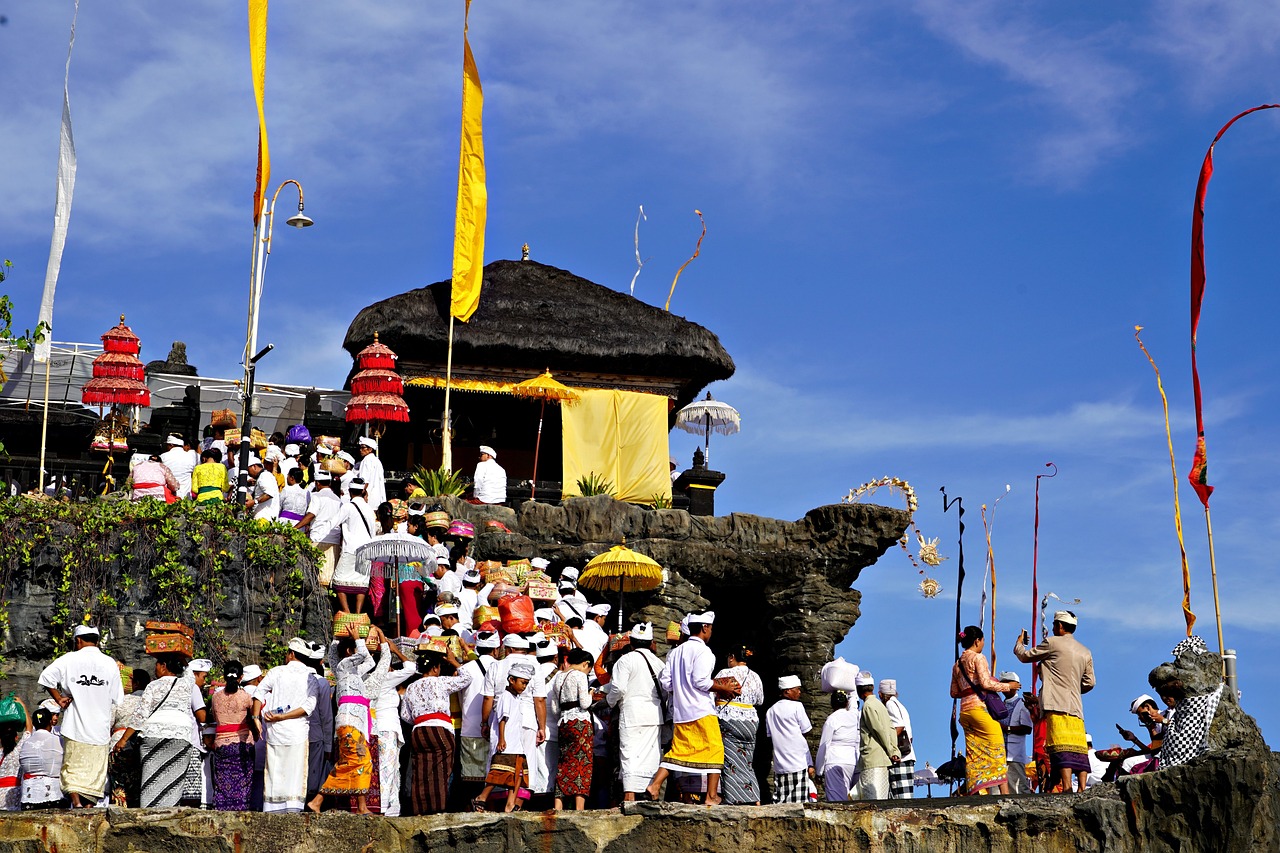
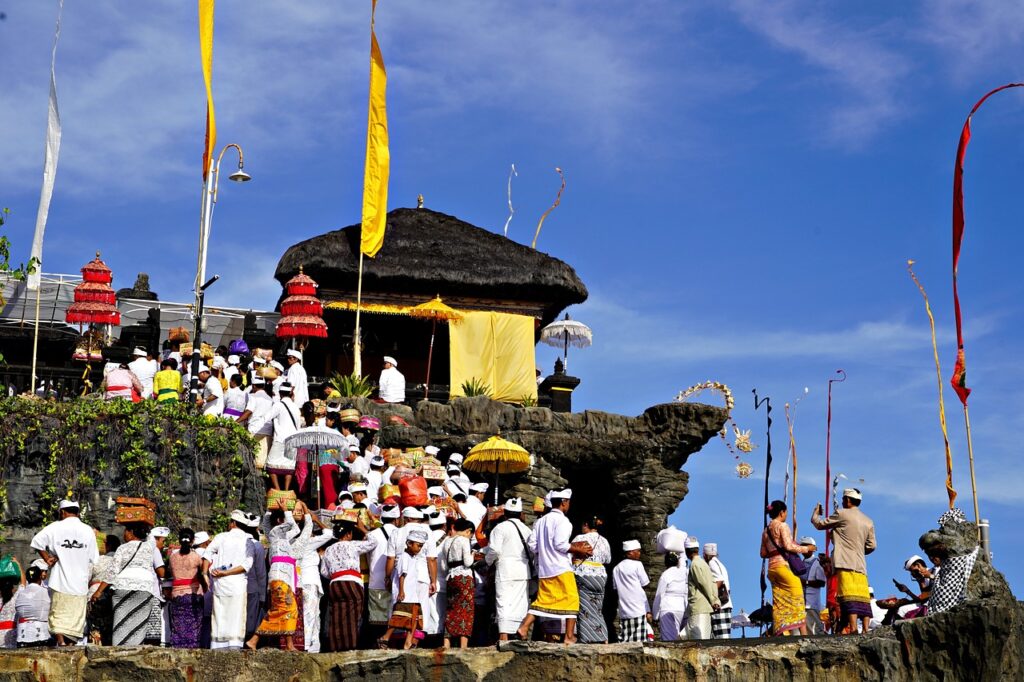
Religious diversity is another important feature.
Istiqlal Mosque and Jakarta Cathedral, located near each other, provide an opportunity to understand Indonesia's plural religious environment.
Food is one of Jakarta's strongest attractions.
Indonesian cuisine includes rice dishes, spices, satay, soups, vegetables and regional specialties.
Markets provide insight into everyday life.
Jakarta is also one of Indonesia's principal business centers, giving it significant potential for corporate travel, meetings, incentives and MICE.
Java and other Indonesian destinations can be incorporated into longer programs.
School and educational trips
Jakarta is particularly suitable for economics, business, geography, anthropology, history, architecture, tourism, social sciences and Asian-studies students.
The city provides an excellent case study of urbanization and metropolitan growth in Asia.
Students can examine population, mobility, economic development and urban challenges.
Kota Tua introduces colonial history and international trade.
Monas provides context for Indonesian independence.
Religious diversity allows programs to examine different traditions and coexistence.
Food provides a practical way to understand Indonesia's cultural diversity.
For business students, Jakarta is one of Southeast Asia's major economic centers.
Tourism students can study urban tourism and gateway-city dynamics in an archipelagic destination.
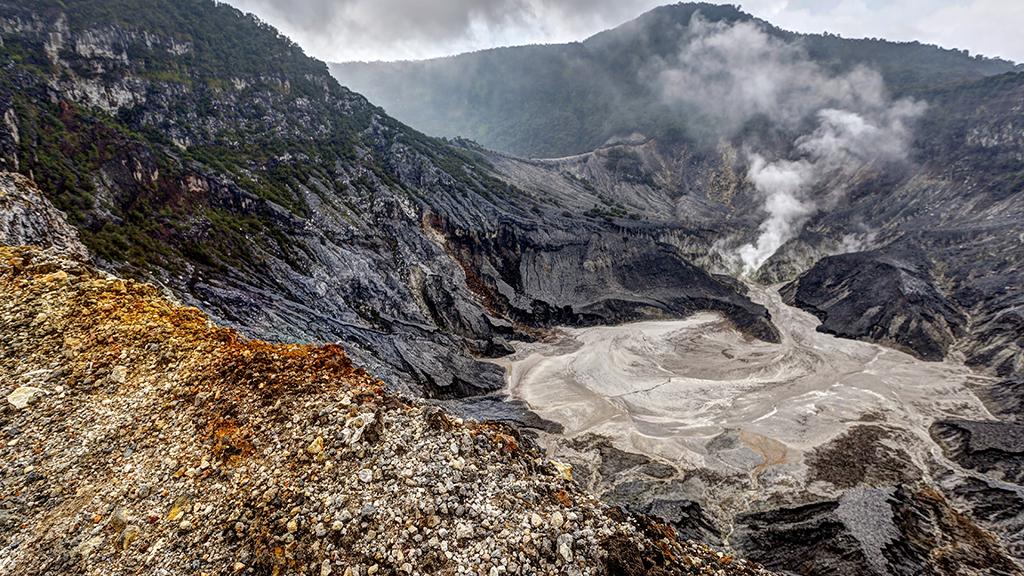
Excursions outside the city can add content related to volcanoes, agriculture and local communities.
Academic and professional visits can be incorporated where available.
Family trips
Jakarta works particularly well as part of a larger family journey through Indonesia.
It provides an introduction to Indonesian culture before continuing to beaches and natural destinations.
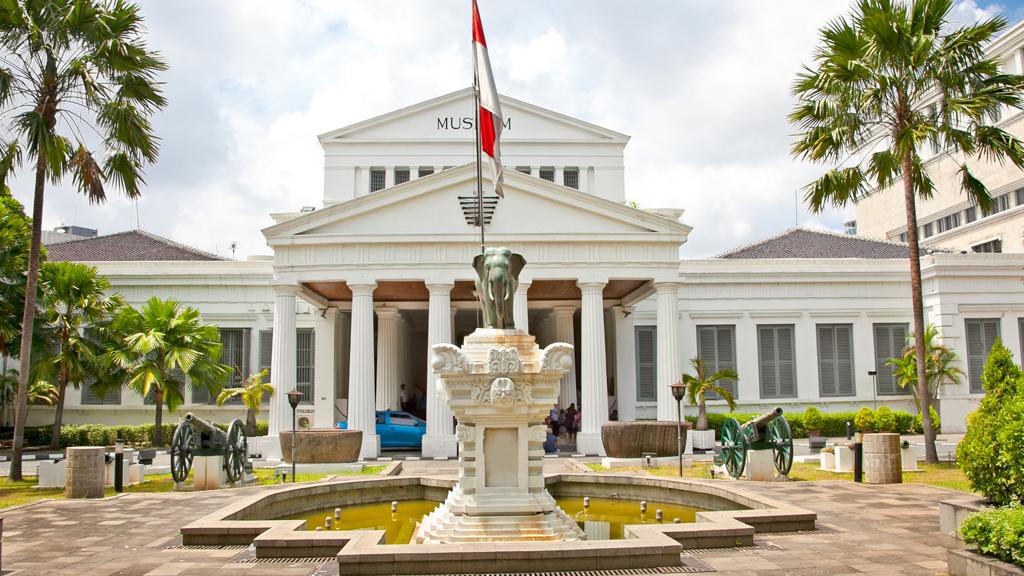
Museums and monuments can be adapted to different ages.
Markets and food experiences are particularly engaging for children and teenagers.
Families can use Jakarta as an entry point before continuing to Yogyakarta or Bali.
Private travel allows flexible pacing and efficient transportation.
Multigenerational families can combine urban culture with beach and nature extensions.
Corporate and MICE travel
Jakarta is one of Indonesia's leading business and MICE centers.
Its hotels and venues support meetings and events.
Companies can combine professional sessions with culinary and cultural experiences.
Historic neighborhoods can support incentive activities.
Cooking classes and food experiences can become team-building programs.
Corporate journeys can continue to other Indonesian destinations.
Combining business in Jakarta with leisure elsewhere creates highly complete incentive programs.
Excursions and extensions
Java provides extensive opportunities.
Yogyakarta is particularly strong for cultural heritage.
Volcano and landscape programs can also be developed.
Longer journeys can combine Jakarta with Bali, Komodo and other Indonesian islands.
This allows business, culture and relaxation to be integrated.
Complete travel organization
Jakarta has extensive international and domestic air connections.
Private transfers connect the airport with hotels.
Traffic makes careful scheduling particularly important.
Coaches and minibuses are useful for groups.
Hotels can be selected according to category and activity location.
Cultural visits require coordination.
Group restaurants should be reserved.
Culinary and professional activities require advance planning.
School programs require supervision.
Families benefit from private flexibility.
Corporate programs should integrate accommodation, meetings, transportation, restaurants and activities.
Reasons to organize a group trip to Jakarta
Jakarta combines culture, business, gastronomy, history, religious diversity and major metropolitan energy, while serving as a gateway to Indonesia.
Students gain an exceptional urban and cultural case study.
Families can use it as the beginning of a wider Indonesian itinerary.
Companies have access to one of the country's main MICE centers.
Private groups gain an excellent introduction to Indonesia.
Jakarta is particularly suitable for travelers seeking a major Asian metropolis from which culture, business and gastronomy can be combined with extensions to Indonesia's great natural and cultural destinations.