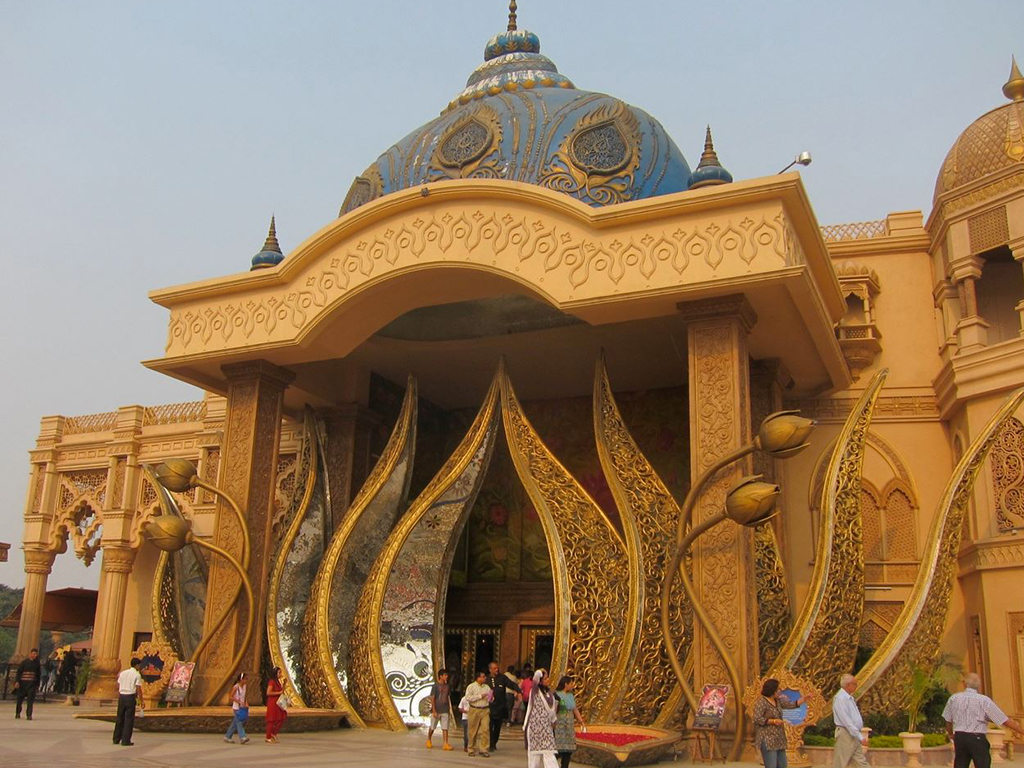
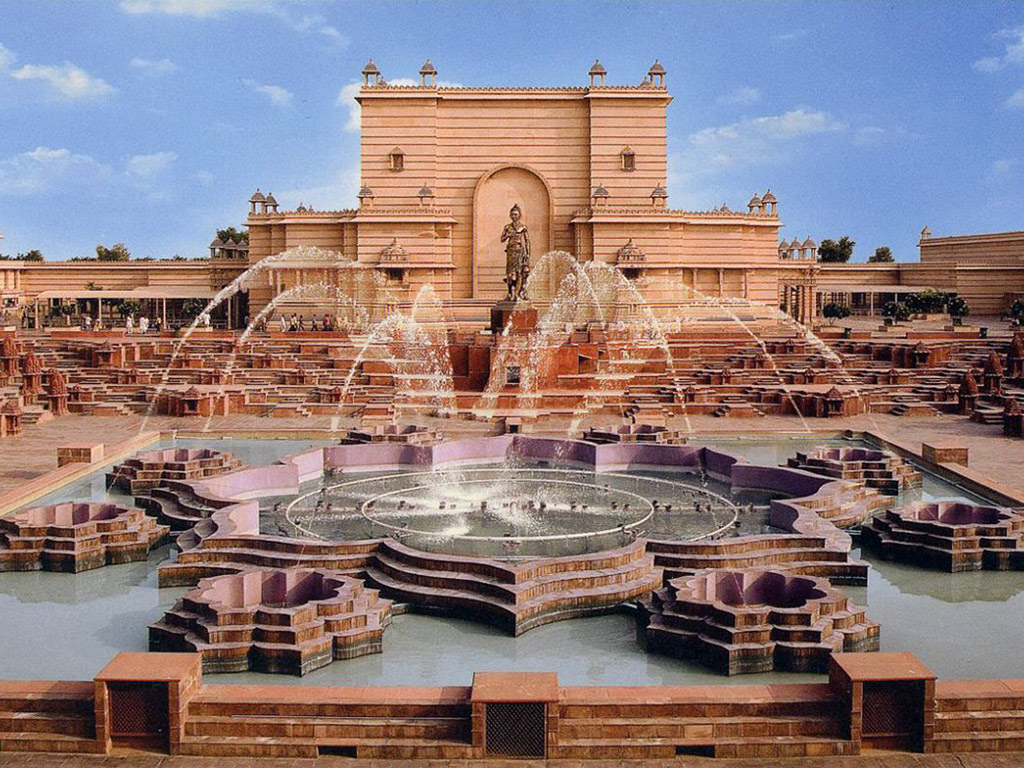
Delhi is one of India's great gateways and one of Asia's most fascinating destinations for group and private travel combining history, culture, architecture, gastronomy, spirituality, business and deeply distinctive experiences.
The city brings together centuries of political, religious, architectural and urban development.
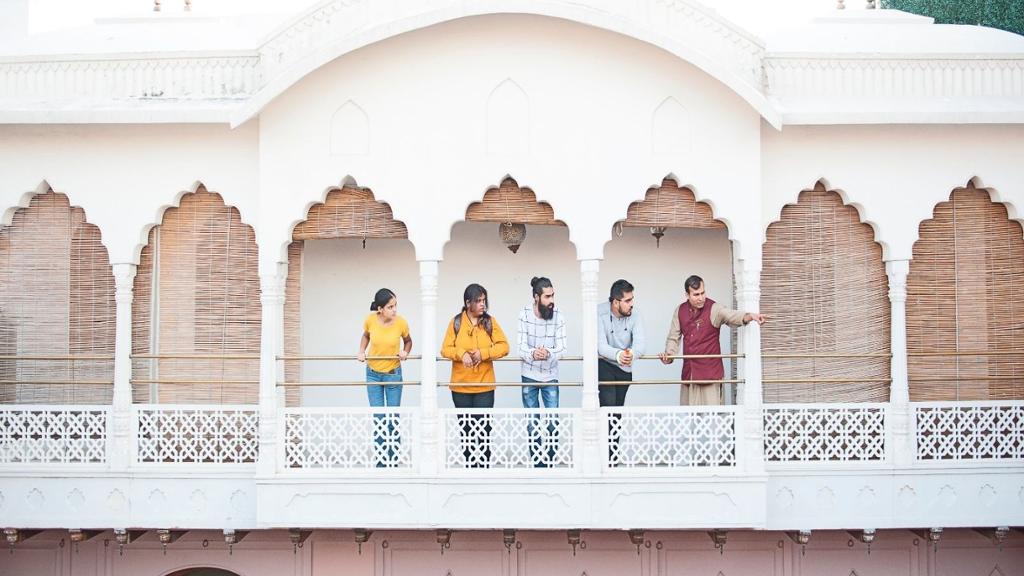
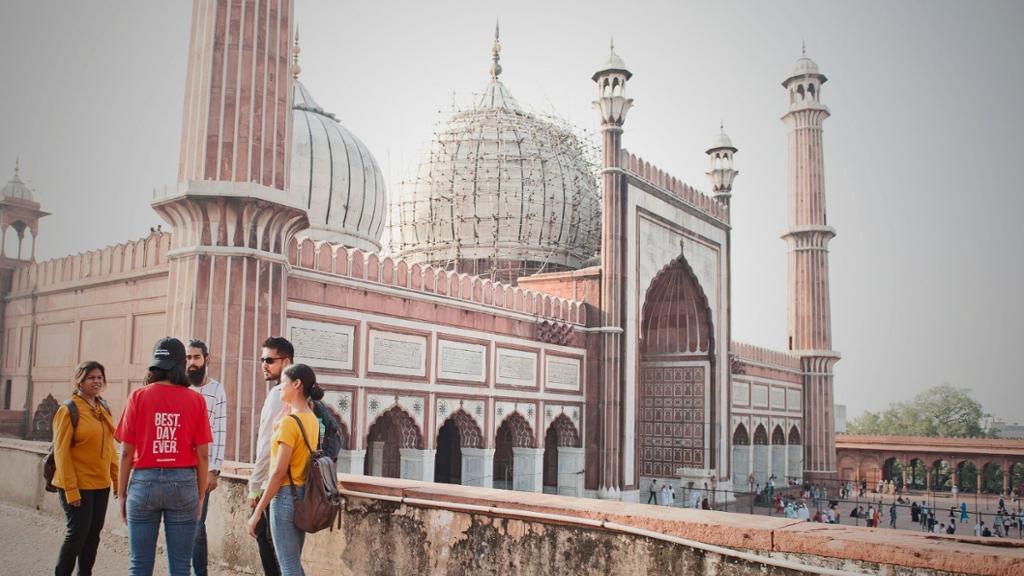
It is particularly suitable for school and university groups, families, private groups, companies, incentive travel and MICE programs.
Complete programs can include international flights, hotels, airport transfers, private transportation, coaches, local guides, monument tickets, restaurants, cultural activities, culinary experiences, professional visits and extensions to other Indian destinations.
The Red Fort provides one of the city's most important historical experiences and introduces the Mughal period.
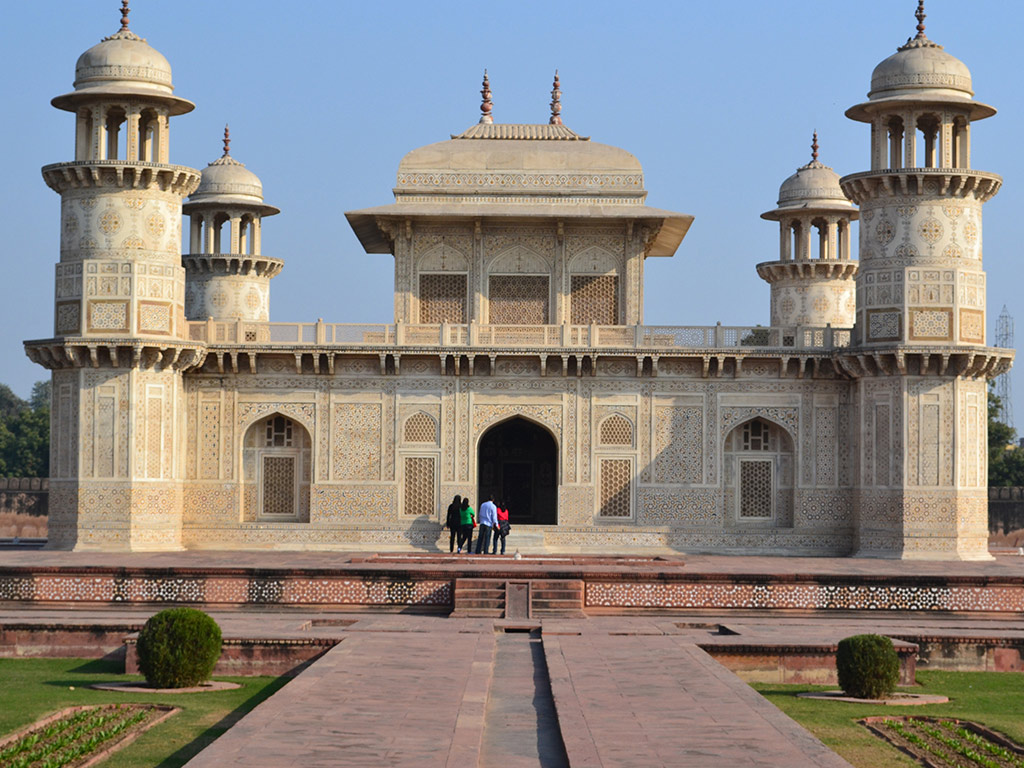
Humayun's Tomb offers exceptional architectural content, while Qutub Minar adds another important stage in the development of Indo-Islamic architecture.
Delhi's religious diversity is another defining feature.
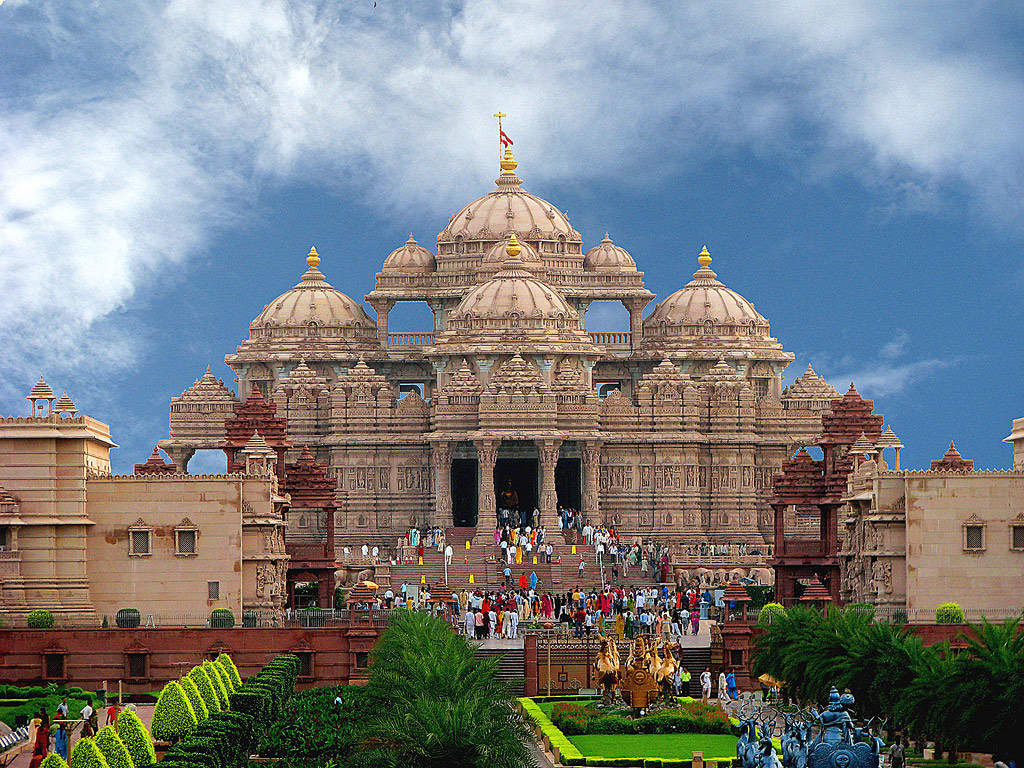
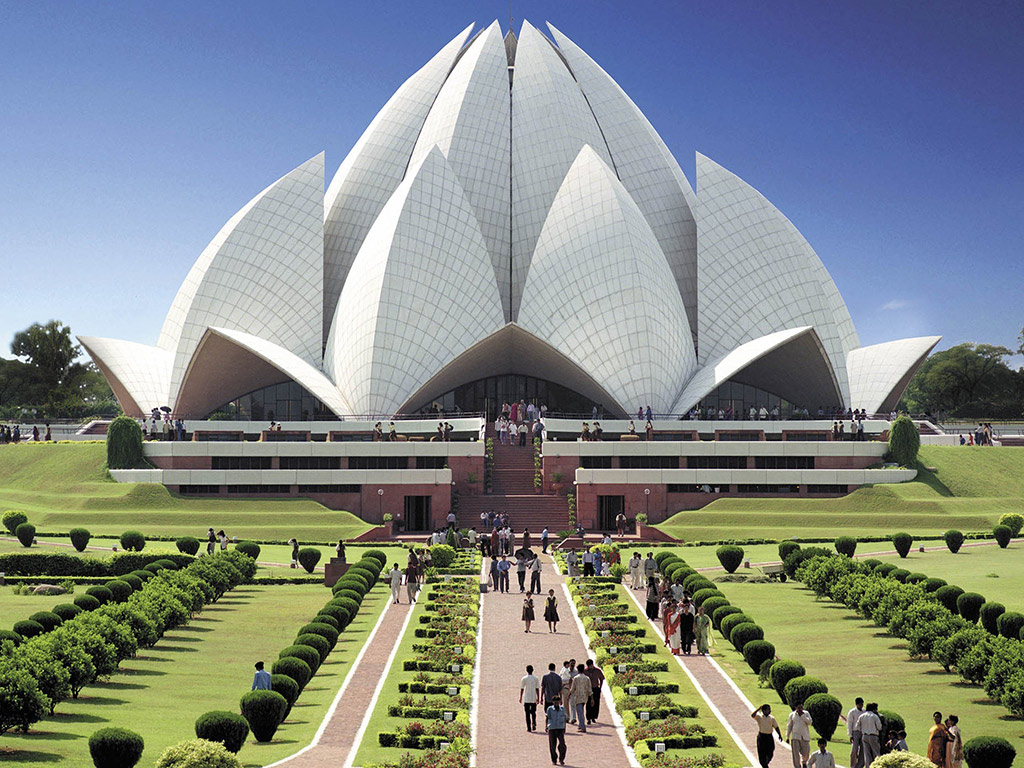
The Lotus Temple provides a contemporary spiritual experience, while other temples, mosques and gurdwaras reveal the city's plural cultural identity.
Gastronomy is central to the experience, from historic restaurants to contemporary cuisine and traditional markets.
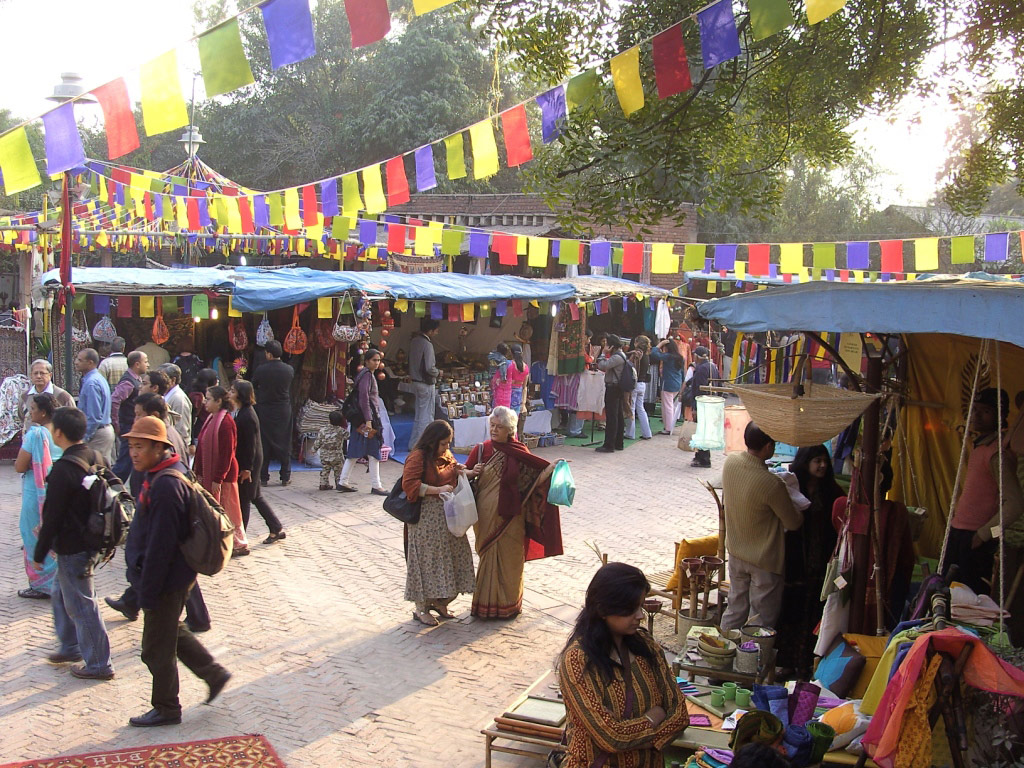
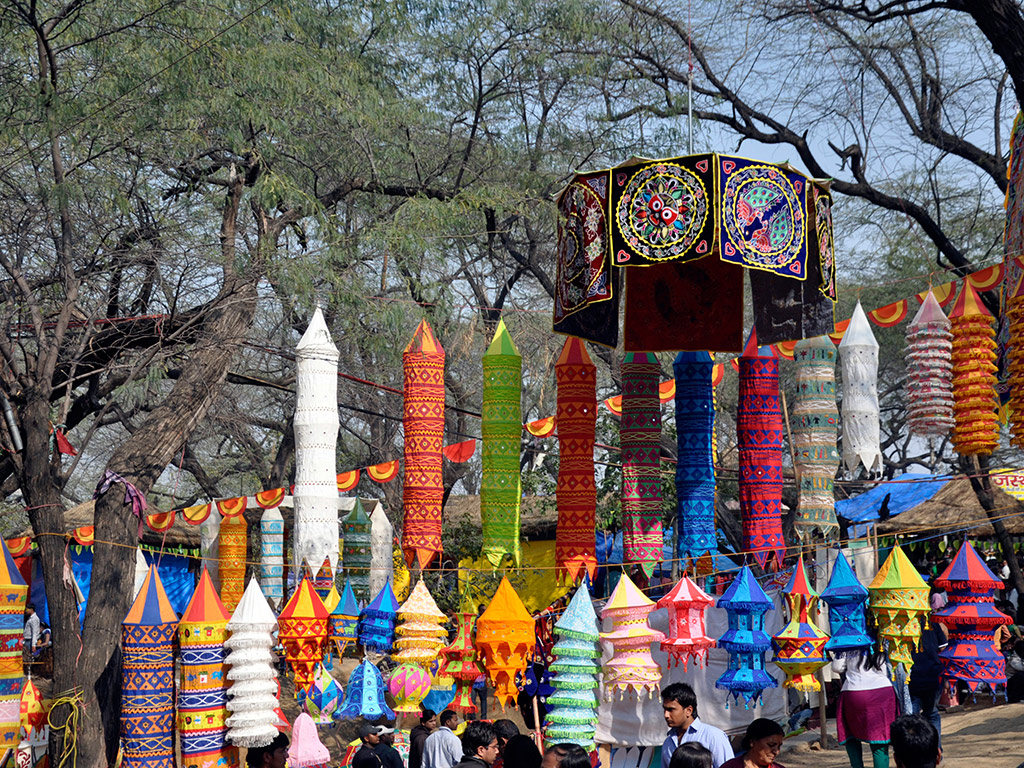
Chandni Chowk provides an especially vivid introduction to traditional commerce and urban life.
Delhi is also one of India's major political and business centers, making it particularly relevant for corporate and MICE travel.
School and educational trips
Delhi is exceptionally suitable for history, architecture, religion, geography, economics, sociology, art, gastronomy and international-relations programs.
Students can study several periods of Indian history within one destination.
The Red Fort provides insight into Mughal history and political development.
Humayun's Tomb and Qutub Minar offer strong architectural and heritage content.
Religious diversity allows programs to explore Hinduism, Islam, Sikhism and other traditions.
Architecture students can examine the relationship between historic monuments and contemporary urban growth.
The city also provides opportunities to study urbanization, mobility, demographic growth and economic transformation.
Tourism students can examine cultural tourism within one of the world's largest metropolitan areas.
Cooking workshops and market visits can add a practical cultural dimension.
University groups can incorporate professional visits to businesses, universities and cultural institutions where available.
Family trips
Delhi provides an intense but rewarding introduction to India for families interested in history, culture, food and iconic monuments.
Private travel allows schedules to be adapted to children's ages.
Historic monuments can be balanced with markets and more interactive experiences.
Indian cuisine can be introduced progressively through carefully selected restaurants.
Religious sites provide opportunities to explore India's cultural diversity.
Delhi is particularly valuable as the beginning of a wider Indian itinerary.
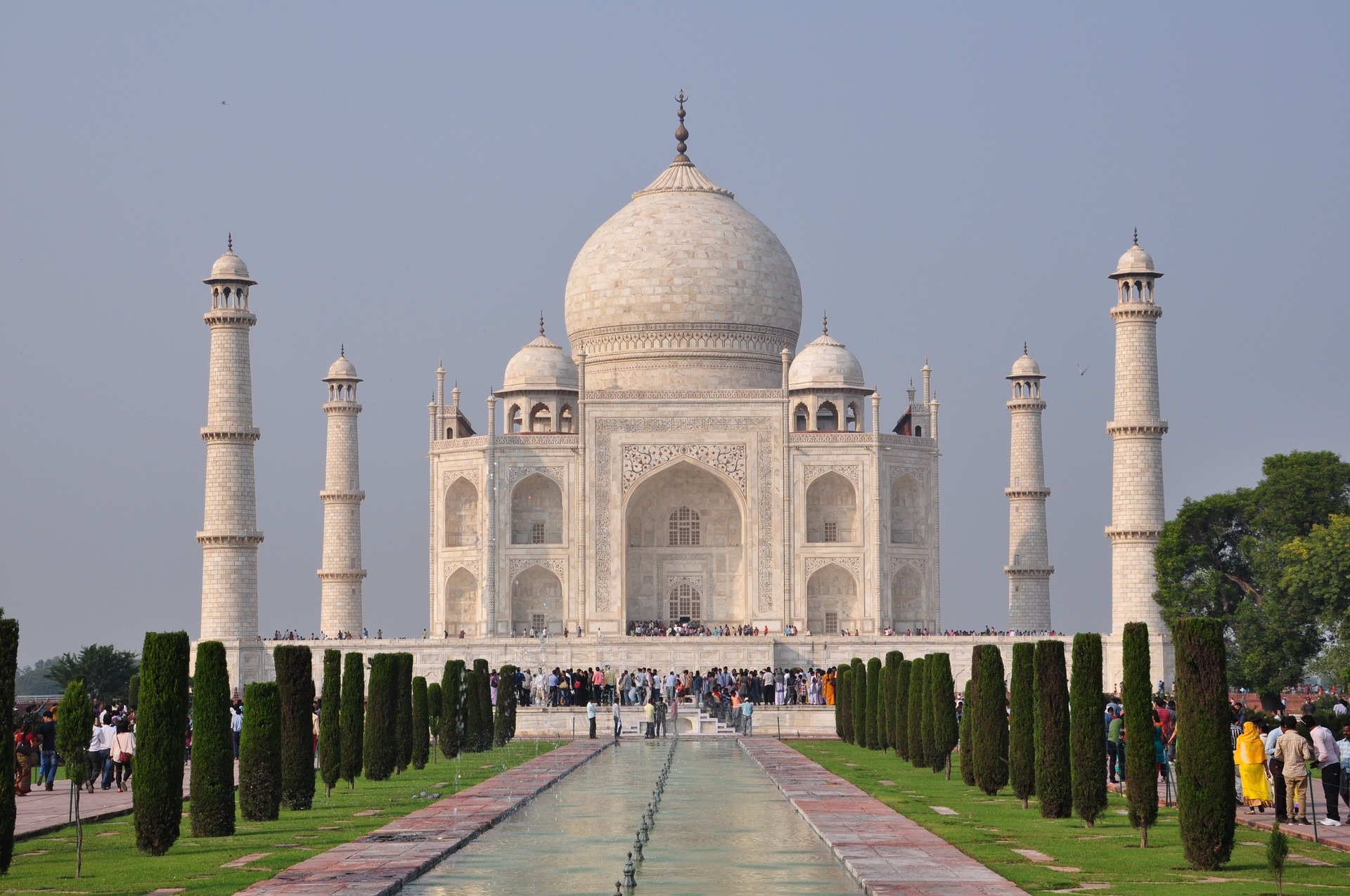
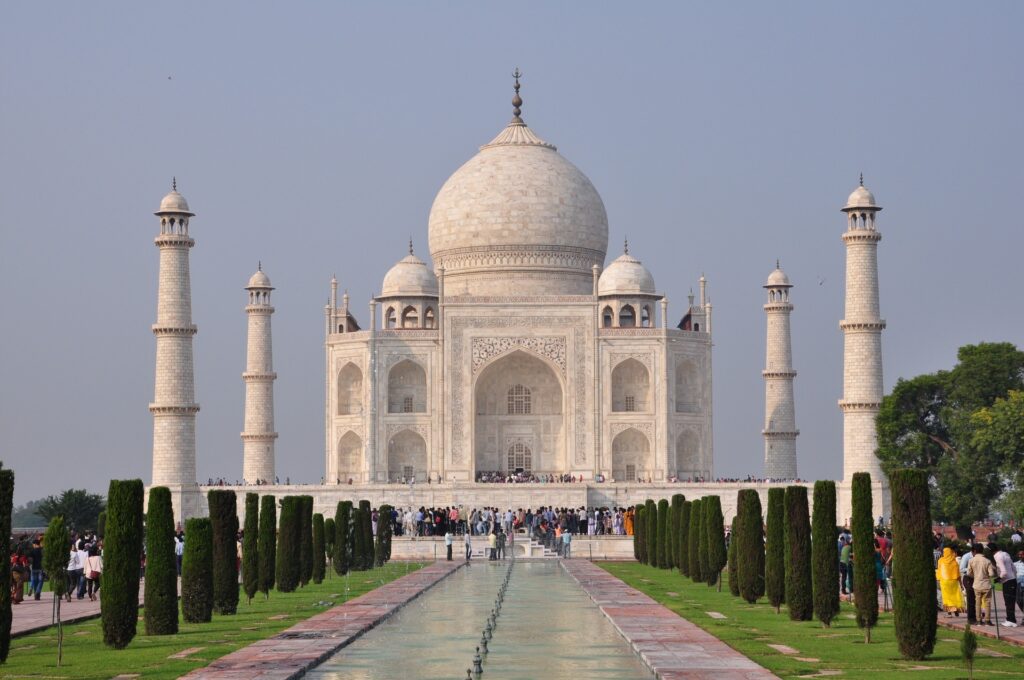
The Delhi–Agra–Jaipur circuit is a natural extension, combining the capital with the Taj Mahal and Rajasthan's heritage.
Longer journeys can continue to Varanasi, Udaipur, Mumbai or Kerala.
Corporate and MICE travel
Delhi is one of India's major business centers and provides strong opportunities for corporate travel, conferences, conventions, meetings and incentives.
Its hotel and event infrastructure can support different group sizes.
Companies can combine meetings with private cultural experiences.
Historic monuments can become incentive activities.
Indian culinary experiences provide strong corporate-dining opportunities.
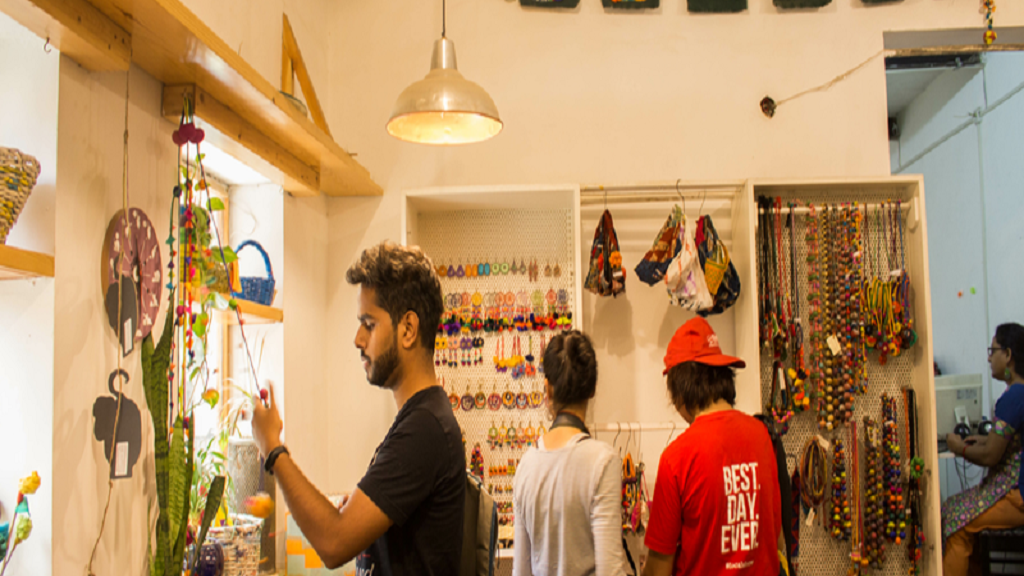
Cooking, crafts and cultural activities can also be incorporated.
Delhi can be combined with Agra and Jaipur for incentive programs.
Professional visits can be added where appropriate.
Excursions and extensions
Agra provides the Taj Mahal.
Jaipur adds palaces, forts and Rajasthan's distinctive architecture.
Varanasi provides a very different spiritual experience.
Other options include Udaipur, Jodhpur, Rishikesh and destinations across northern India.
Longer programs can continue to Mumbai, Goa or Kerala.
Complete travel organization
International arrivals can connect directly with private airport transfers.
Coaches are useful for larger groups.
Hotels should be selected according to location, category and itinerary.
Monument visits and guides should be arranged in advance.
Restaurant planning should take dietary requirements into account.
School groups require careful supervision and coordination.
Families benefit from flexible private itineraries.
Corporate programs require close integration between accommodation, transportation, meetings, activities and restaurants.
Reasons to organize a group trip to Delhi
Delhi combines history, architecture, spirituality, gastronomy, cultural diversity, business and access to some of India's greatest destinations.
Students benefit from exceptional educational content.
Families gain an intense and memorable introduction to India.
Companies can combine MICE infrastructure with cultural experiences.
Private groups can build fully customized itineraries.
Delhi is particularly suitable for travelers seeking a journey through India's historic and contemporary capital while using the city as a gateway to a wider exploration of the country.