Guatemala City is the country's capital and one of Central America's main gateways. It is an attractive destination for group and private travel combining culture, history, nature, gastronomy, archaeology and authentic local experiences.
The city can work both as a destination in its own right and as the starting point for a wider Guatemala itinerary.
It is particularly suitable for school and university groups, families, private groups, companies, incentive travel and MICE programs.
Complete programs can include flights, hotels, airport transfers, private coaches, minibuses, transportation, local guides, entrance tickets, restaurants, cultural experiences, nature activities, archaeological visits, excursions and multi-destination Guatemala circuits.
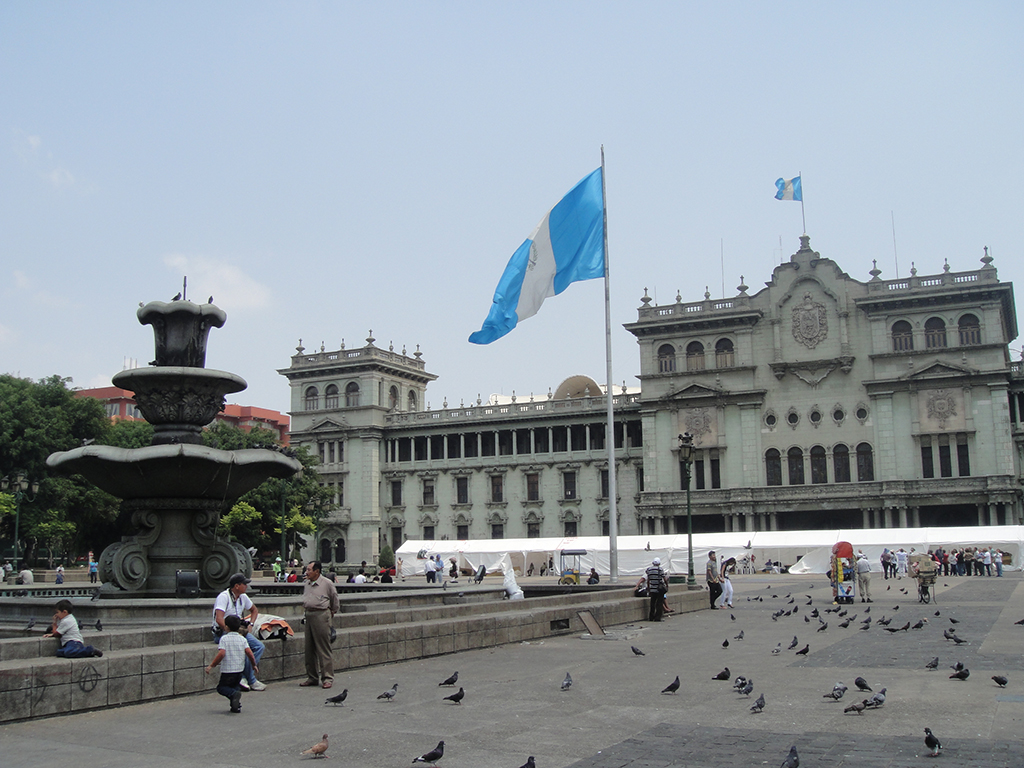
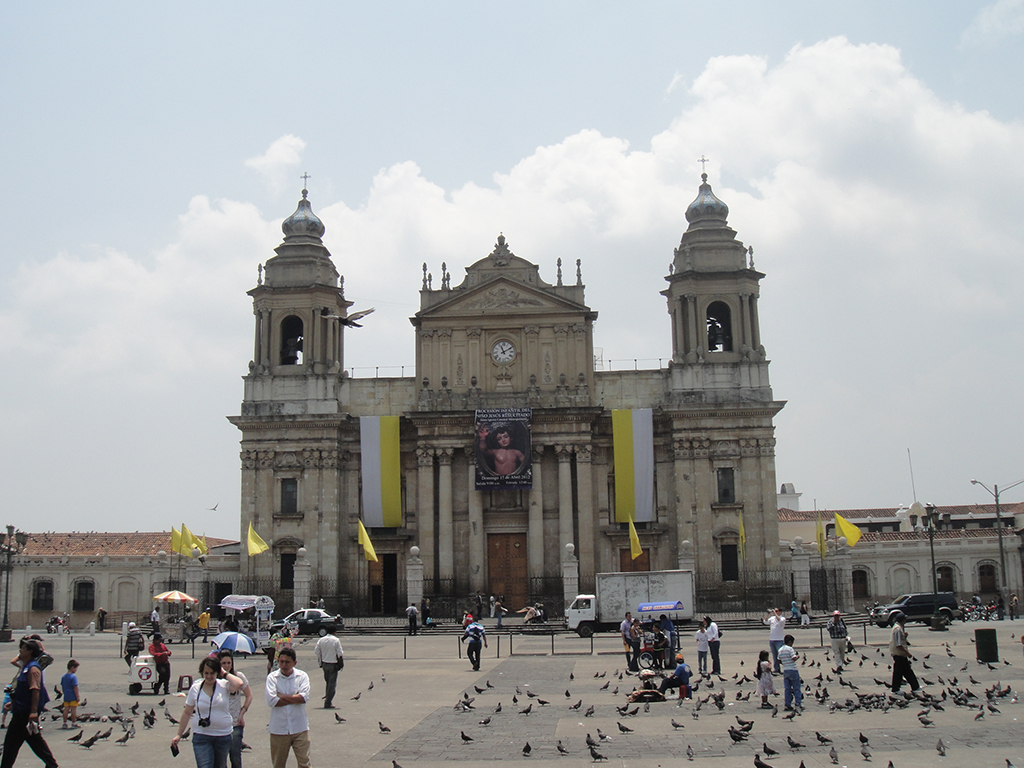
The Historic Center introduces visitors to Guatemala City's political and religious development.
The Metropolitan Cathedral, National Palace of Culture and other historic buildings provide important cultural context.
Museums add further depth.
Guatemala's Indigenous and Maya heritage is one of the country's defining characteristics.
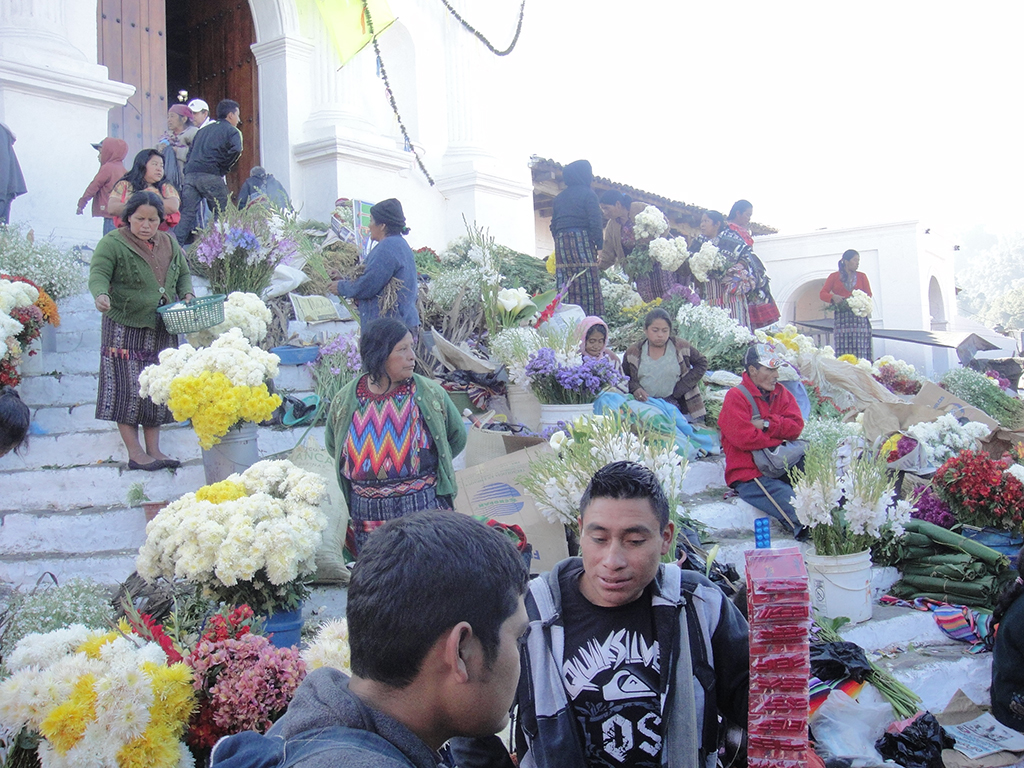
Programs can incorporate traditional textiles, crafts, gastronomy and Indigenous cultural traditions.
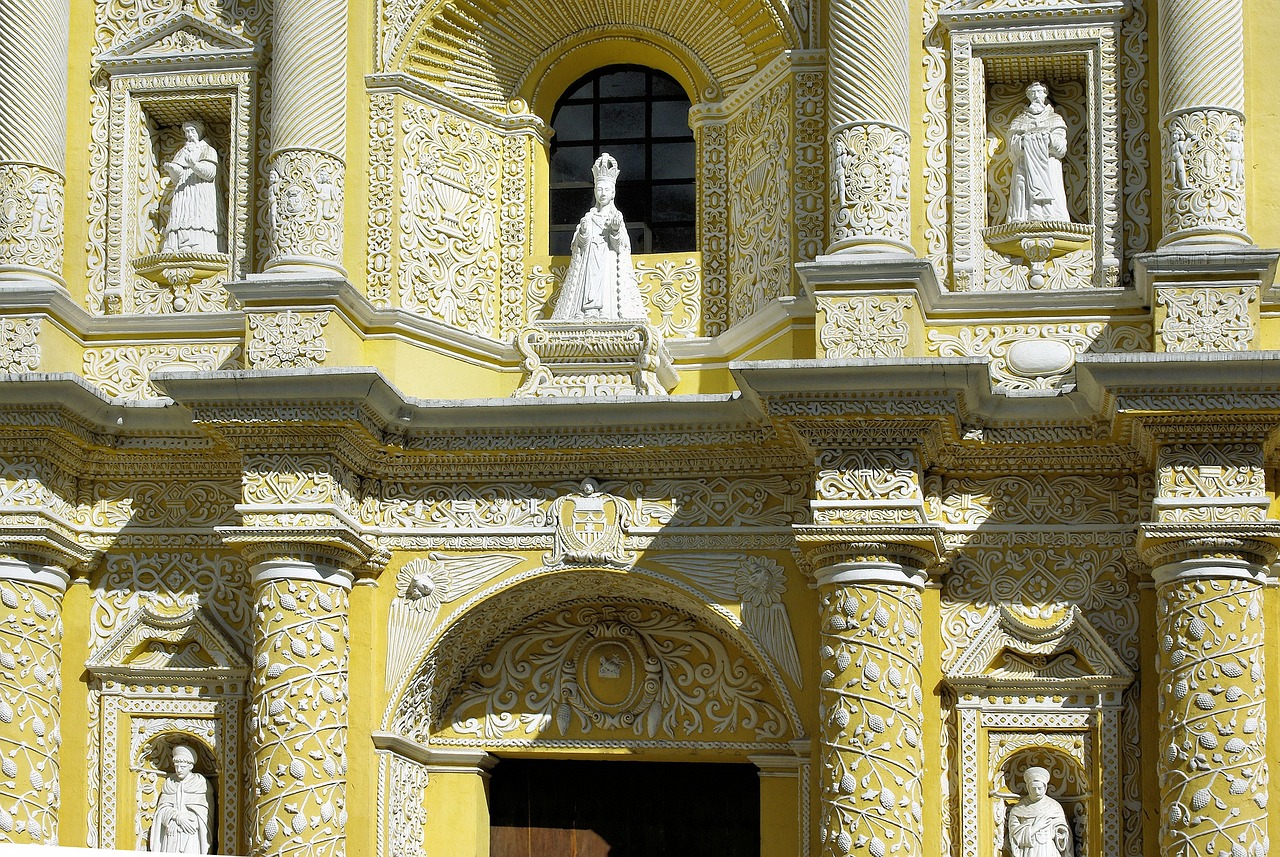
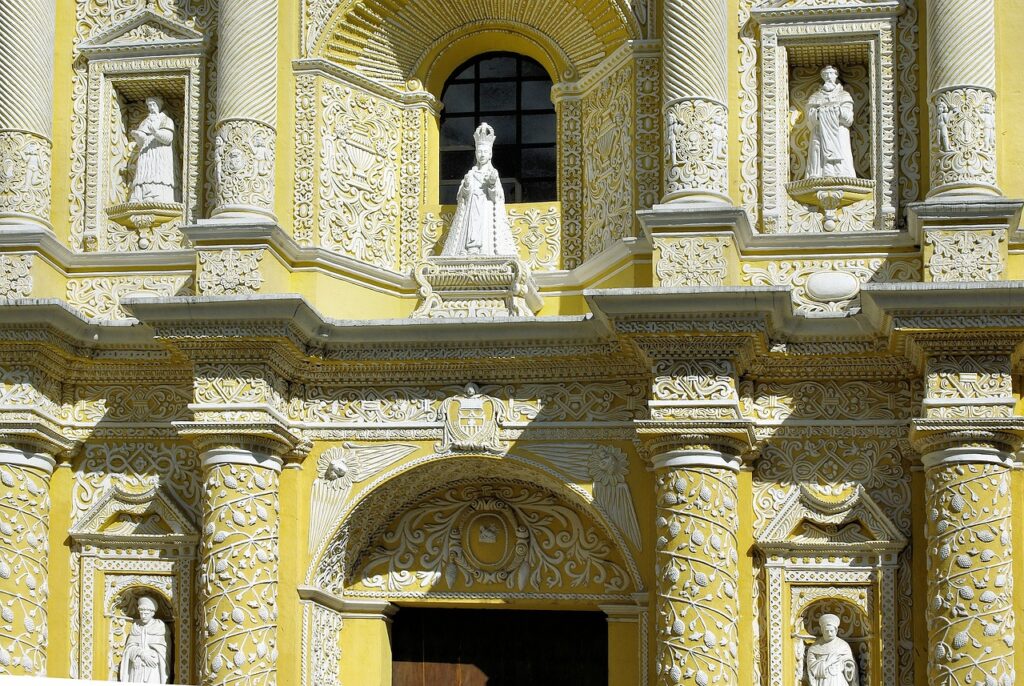
Nearby Antigua Guatemala provides a major contrast to the modern capital, with colonial architecture, churches and historic streets.
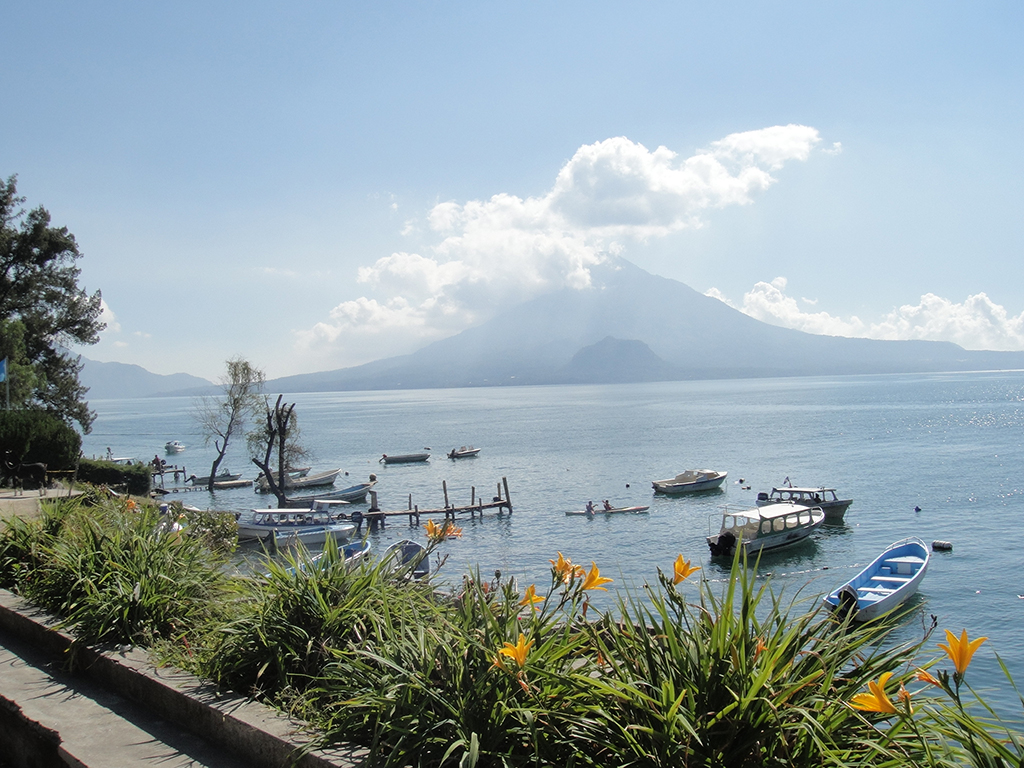
The Lake Atitlán region introduces dramatic scenery and Indigenous communities.
The archaeological heritage of Guatemala is one of the strongest reasons to travel beyond the capital.
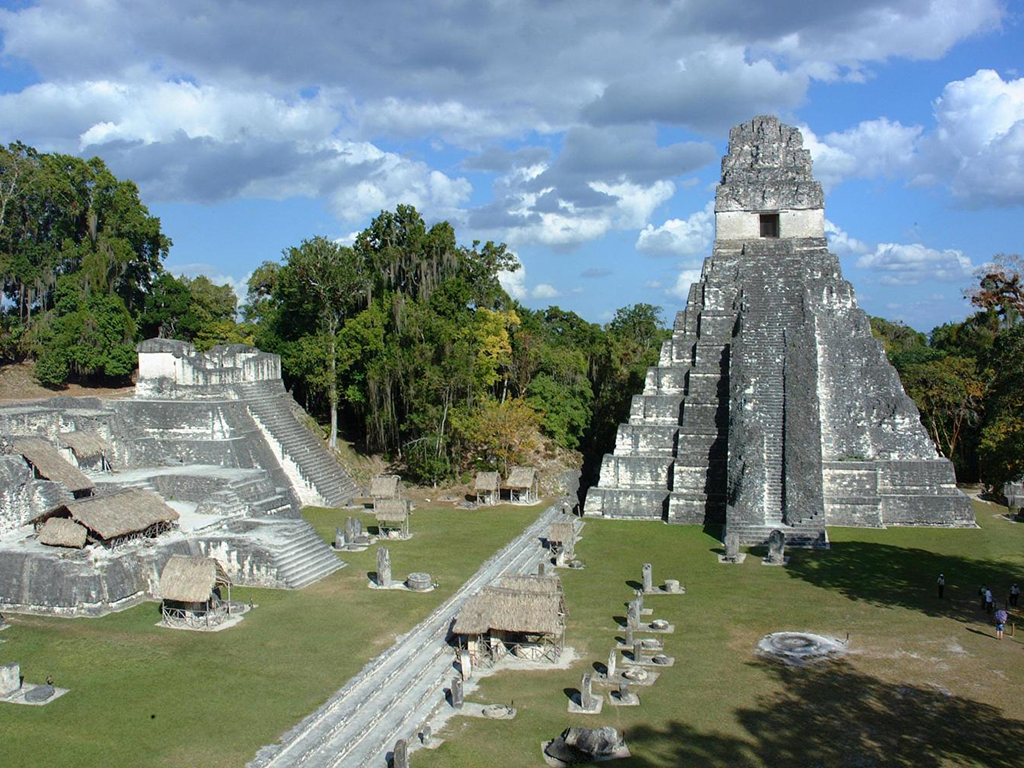
Tikal can become the highlight of a cultural itinerary, combining monumental Maya architecture with rainforest landscapes.
School and educational trips
Guatemala City and the wider country are particularly suitable for history, archaeology, anthropology, geography, social sciences, tourism, environmental studies, architecture and Latin American studies.
Maya civilization provides exceptional educational content.
Students can study one of Mesoamerica's great civilizations and its continuing cultural legacy.
Tikal offers opportunities to examine urban organization, architecture and the relationship between Maya cities and the natural environment.
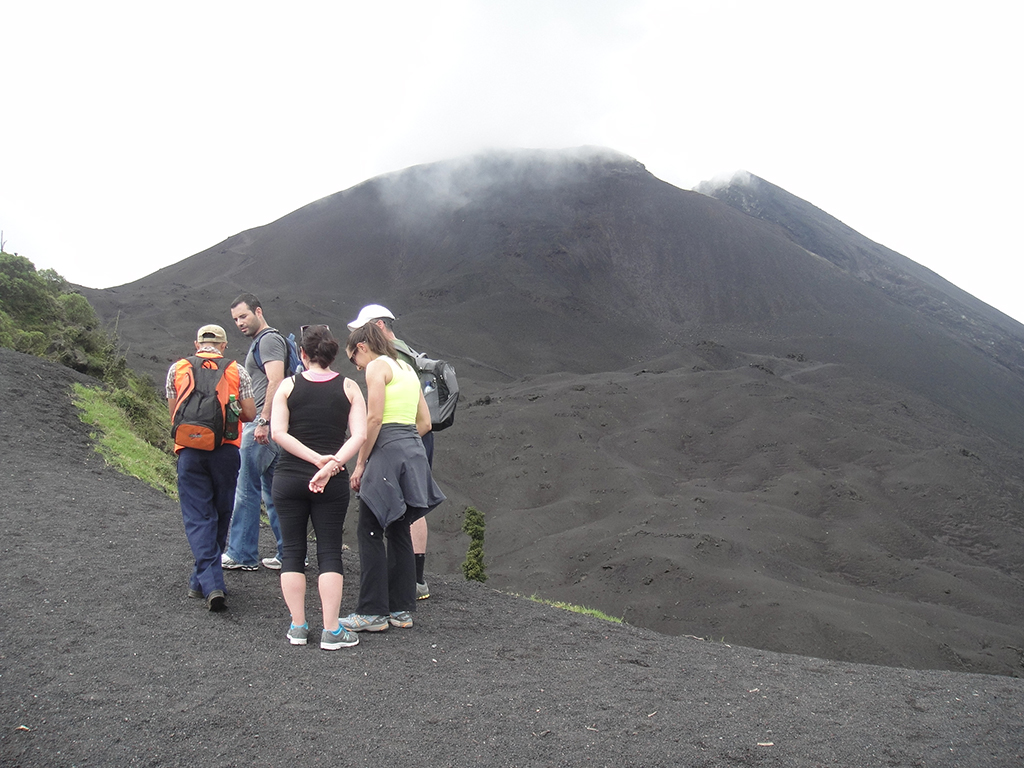
Guatemala's volcanoes, mountains and lakes provide strong geography and environmental content.
Lake Atitlán allows students to study landscape, communities, agriculture and tourism.
Cultural diversity provides opportunities to explore identity, languages, crafts and traditions.
Tourism students can examine cultural, archaeological, community-based and nature tourism.
University groups can incorporate professional or academic visits where available.
Food experiences can become part of cultural education.
School groups can use suitable hotels and private coaches.
Multi-region itineraries require careful logistics because of the distances involved.
Family trips
Guatemala City can serve as the beginning of a much broader family journey.
Families can combine the capital with Antigua, Lake Atitlán and other regions.
Maya culture can be presented through engaging archaeological and cultural experiences.
Traditional markets and communities introduce textiles, colors and local food.
Volcanoes and lakes provide outdoor activities.
Private travel is particularly useful for families because schedules and travel distances can be adapted.
Private vehicles allow customized itineraries.
Multigenerational families can balance cultural visits with relaxation.
Guatemalan cuisine provides opportunities for different age groups.
Corporate and MICE travel
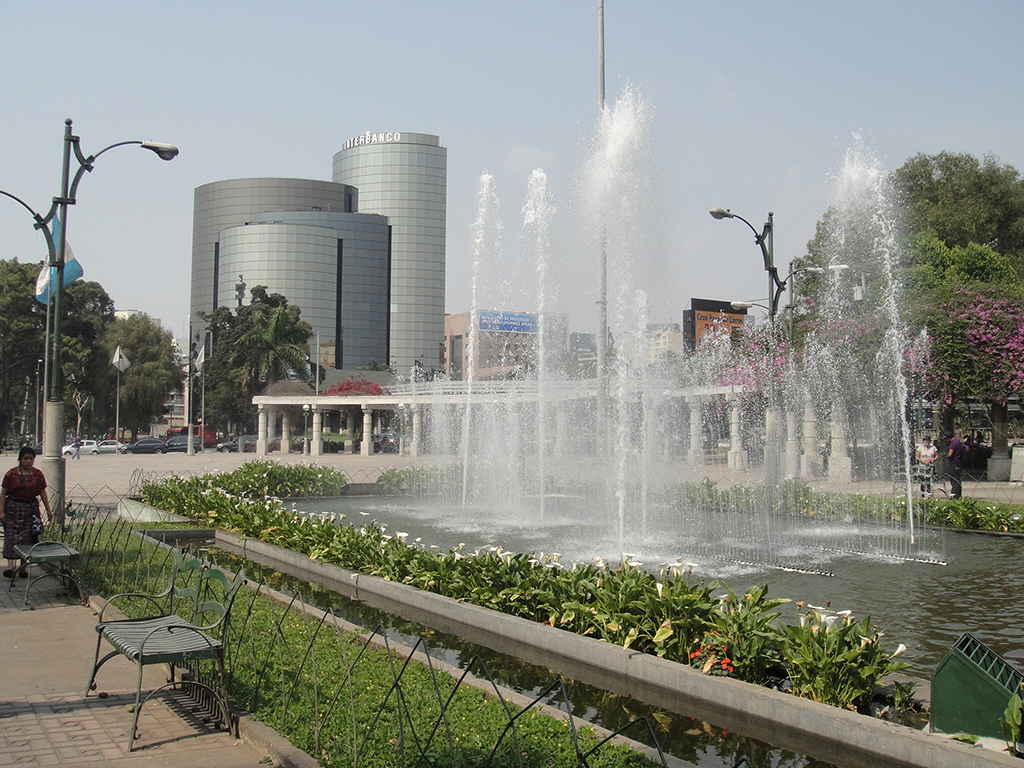
Guatemala City is one of the country's main business centers and offers opportunities for meetings, conferences, incentives and corporate travel.
Companies can combine professional events with cultural experiences.
Antigua can provide an incentive excursion.
Local gastronomy can support private dinners.
Nature experiences can support team-building activities.
For international corporate groups, combining Guatemala City, Antigua and Lake Atitlán creates a much more distinctive experience than a purely urban program.
Private experiences with artisans, chefs and local specialists can be included where available.
MICE programs can integrate hotels, meeting spaces, transfers, transportation, restaurants and activities.
Excursions and extensions
Antigua Guatemala is one of the most natural extensions.
Lake Atitlán adds Indigenous culture and dramatic scenery.
Tikal and Petén provide an archaeological and rainforest experience.
Volcano and community-based itineraries can also be developed.
Guatemala can form part of wider Central American circuits.
Complete travel organization
The international airport connects Guatemala City with major international markets.
Private airport transfers can connect directly to hotels.
Private coaches are useful for group travel.
Countrywide circuits require careful consideration of distances and road conditions.
Hotels can be selected according to group profile.
Local guides are particularly valuable for cultural and archaeological programs.
Major attraction tickets should be arranged in advance.
Group restaurants require advance planning.
School groups require strong supervision and coordination.
Families benefit from flexible private schedules.
Corporate programs should integrate accommodation, meetings, transportation and activities.
Reasons to organize a group trip to Guatemala City
Guatemala City combines culture, history, Maya heritage, nature, gastronomy and access to some of Central America's most remarkable landscapes.
Students gain an exceptional gateway to Maya history and culture.
Families can create highly varied itineraries.
Companies can develop distinctive cultural and nature-based incentives.
Private groups can explore Guatemala through personalized circuits.
Guatemala City is particularly suitable for travelers seeking far more than an urban visit: a gateway to Guatemala's cultural, archaeological and natural diversity through a fully organized journey tailored to each group.